

Guernsey island guide
Guernsey is compact enough to cross, but weather and connections still shape the trip
Guernsey is a Channel Island whose holiday rhythm is built around beaches, sea views, bicycle rides, cliff paths, small shops and time beside the water. Its scale makes buses, selective taxi trips and carefully chosen cycle routes more useful than a generic resort itinerary.
Flights arrive at Guernsey Airport (GCI). Buses and taxis connect the terminal with St Peter Port and the rest of the island; a hire car is optional rather than automatic. Because many services use regional aircraft and short sectors, baggage limits, wind, fog and the resilience of an onward connection deserve more attention than they would on a simple mainland route.
- Airport
- Guernsey Airport (GCI)
- Best-known base
- St Peter Port for harbour, restaurants, shops and island transport
- Outdoor anchors
- South-coast cliff paths and west-coast bays
- Old-page themes
- Beaches, cycling, taxi tours, sea trips, local crafts and evening atmosphere
Arrive without overbuilding
A bus or taxi is often enough for the first island day
Guernsey’s bus network reaches communities, beaches and walking points around the island. It works well for a traveller based in St Peter Port who is willing to plan around the timetable. A taxi is more practical with heavy luggage, an early flight or accommodation away from a frequent route. Driving gives flexibility, but narrow lanes and parking mean it is not automatically the easier choice.
Check the airline’s cabin and checked-baggage allowance before comparing tickets. A fare on a smaller aircraft may have different limits from the long-haul sector that feeds it. If separate tickets are involved, leave enough time—or an overnight—to absorb a weather delay.
Coast on foot
The southern cliffs and western beaches are two different outdoor days
The south and south-east deliver the dramatic cliff-path experience, with routes around Fermain and other coves. Paths include slopes and steps, so distance alone does not show effort. Carry water, check the forecast and choose a section with a realistic bus or taxi exit rather than assuming every walk loops neatly back.
Guernsey’s west coast gives a more beach-oriented day and broad sunset views. Tides, wind and water conditions matter. Shells and a quiet shoreline atmosphere are best enjoyed without expecting generic ‘beach nightlife’ at every bay.
St Peter Port and the sea
Use the harbour as both a town centre and a gateway to other islands
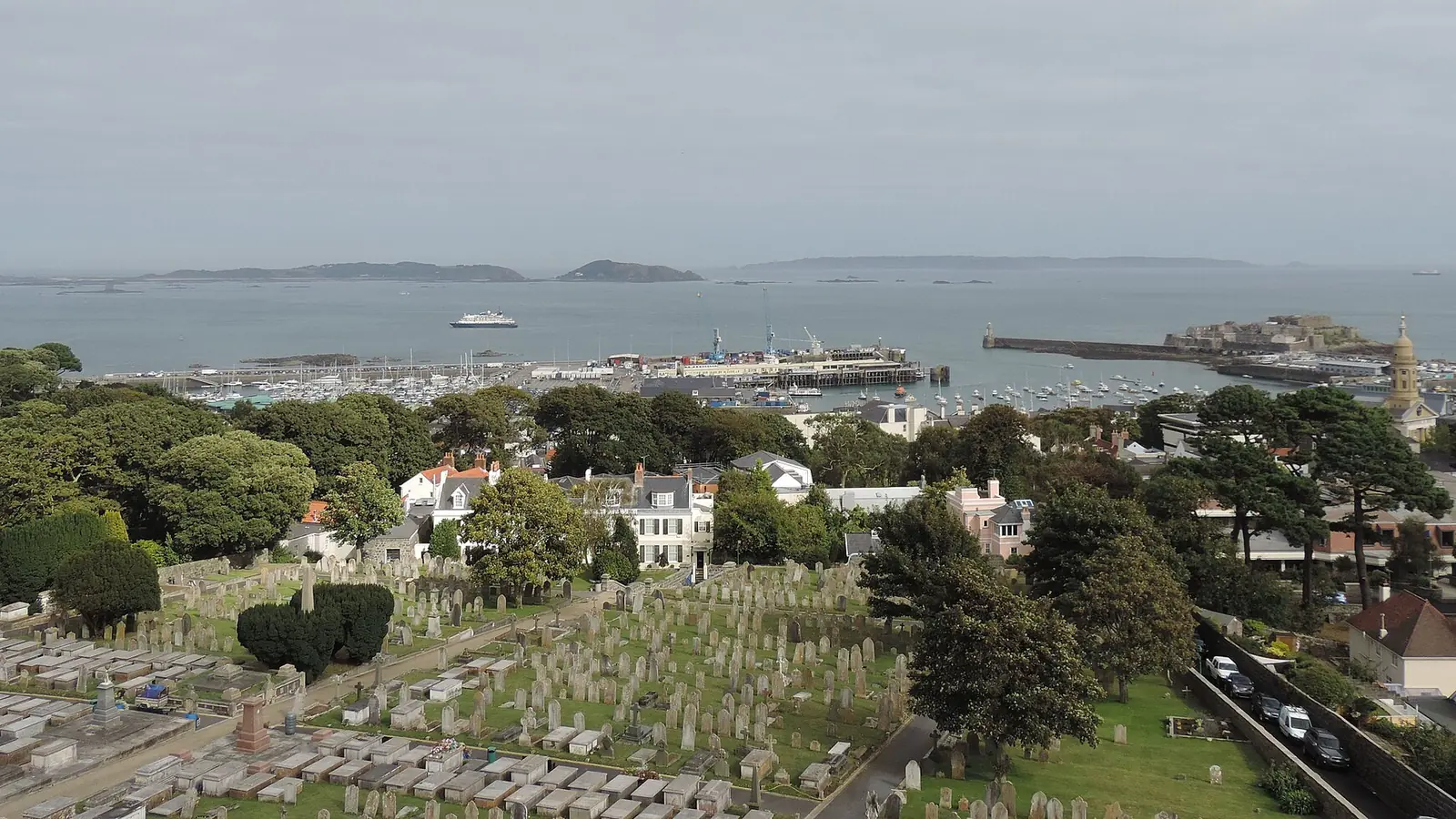
St Peter Port combines the old-page shopping and café themes with a working harbour, steep streets, Castle Cornet and views toward neighbouring islands. Independent shops and local crafts are more characteristic than a resort mall. The climb behind the waterfront is part of the town, so travellers with limited mobility should plan routes carefully.
Boat excursions and services toward Herm, Sark or other islands are weather- and season-dependent. Treat them as separate tickets with their own check-in and return risk. A cruise call is not the same as a flight-based stay, and these are sea journeys rather than river cruises.
Protect the fare
A robust Guernsey itinerary is often worth more than the tightest connection
Compare direct regional services with protected connecting itineraries, then look at the next recovery option if a leg is delayed. A low fare with a self-transfer and no later flight can be poor value for an island break.
- Check aircraft-specific baggage limits before packing.
- Leave weather margin before a separate ferry, event or long-haul ticket.
- Choose accommodation around the bus network if no car is planned.
- Keep one indoor St Peter Port plan for a wet or windy day.