
.jpeg)
London multi-airport guide
In London, the airport name can matter as much as the airfare
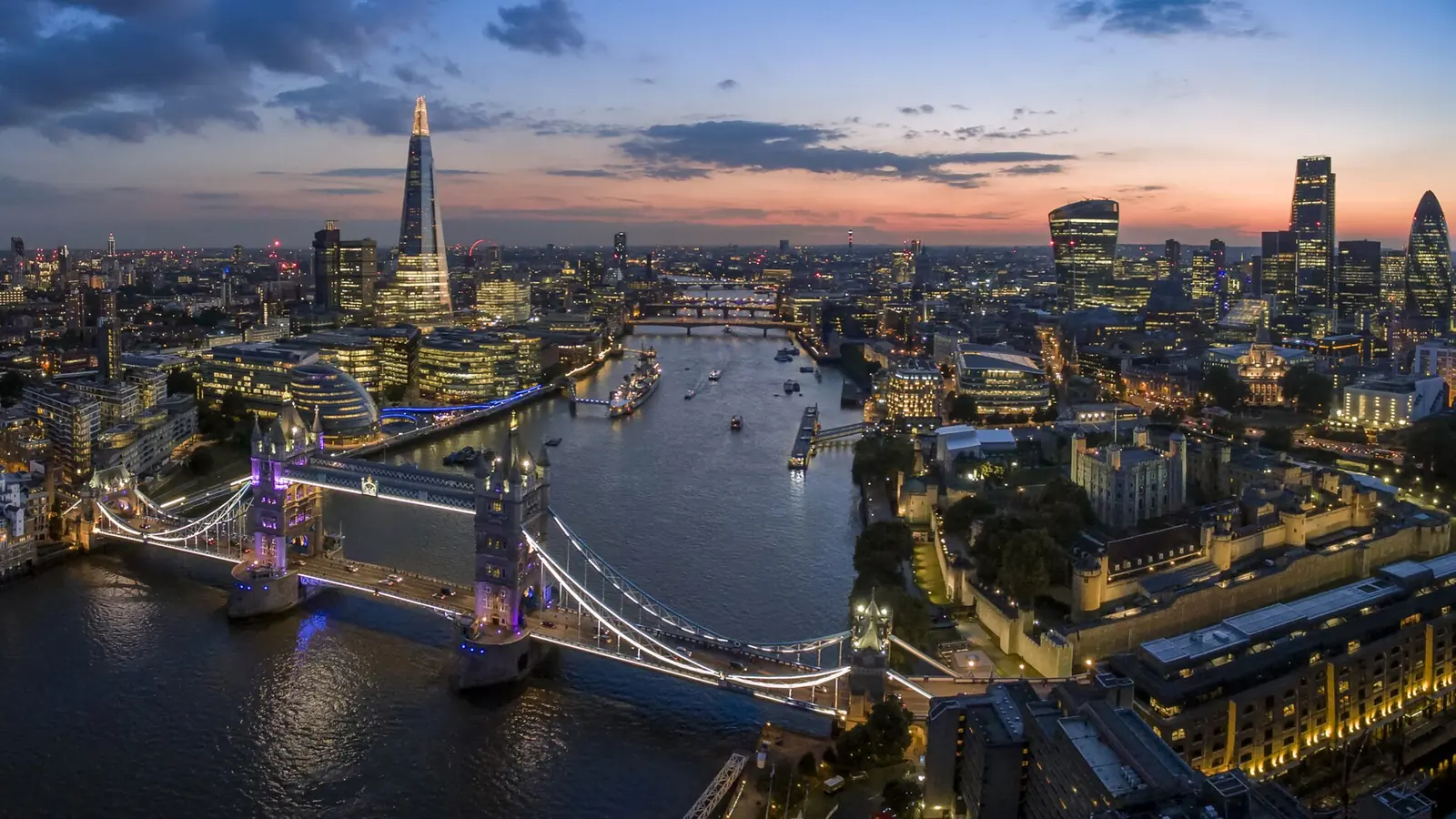
London’s museums, galleries, churches and historic buildings sit around landmarks such as Buckingham Palace, Elizabeth Tower and the Tower of London, but the flight decision begins much farther out. Heathrow, Gatwick, Stansted, Luton and London City have very different journeys into the capital and should all be compared when the route makes them realistic.
Do not rank those airports by distance to an abstract centre. Rank them by the rail or Underground line that reaches the actual accommodation. A Heathrow arrival can be excellent for west or central London; Gatwick’s trains serve several central corridors; Stansted naturally points toward Liverpool Street; Luton connects through its rail link; London City is particularly convenient for Docklands and parts of east London.
- Airport system
- LHR, LGW, STN, LTN and LCY are the main practical comparisons
- Transfer test
- Door-to-door time, rail fare, operating hours and final interchange
- Historic anchors
- Buckingham Palace, Elizabeth Tower and Big Ben, Tower of London
- Culture anchors
- National museums, galleries, churches and neighbourhood walks
Five gateways
Match each airport to the London corridor it serves best
Heathrow offers the Piccadilly line, Elizabeth line and a premium express route, creating different balances of time and cost. Gatwick has National Rail services toward Victoria, London Bridge, Blackfriars and St Pancras. Stansted’s strongest rail orientation is Liverpool Street, while Luton Airport Parkway links into the Thameslink corridor. London City connects to the DLR.
The airport-transfer price shown today can change, and not every payment product works identically on every service. Use the live journey planner for the arrival date. If the last train leaves too close to the landing time, include a coach, licensed taxi, private hire or airport hotel in the real cost.
Build London by area
Westminster, the Tower and the great museums should not be one exhausting checklist
Westminster naturally groups the Houses of Parliament, Elizabeth Tower—the clock bell is Big Ben—Westminster Abbey and a walk toward Buckingham Palace. The Tower of London belongs farther east and combines more sensibly with the City, Tower Bridge or the Thames. Keeping those clusters separate reduces underground travel and leaves time to notice the streets between the landmarks.
Many major national collections have free general admission, but special exhibitions and timed entry can still require booking. Choose museums by subject rather than fame: art, design, natural history, science and the city’s own history occupy different districts. A cathedral or church visit also needs respect for worship schedules, closures and admission rules.
Season and crowds
Spring and autumn can be calmer, but London has no reliable empty season
The old guide advised avoiding the summer peak. That can help, yet school holidays, exhibitions, football, concerts and December travel each create their own demand. Weather is changeable in every season. Use event dates and accommodation prices together; sometimes a flight looks cheap because rooms for the same weekend are not.
A neighbourhood base often creates more value than a nominally central hotel. South Bank, Bloomsbury, Paddington, the City and east London each connect differently to an airport and to evening plans. Compare the last journey of the day as carefully as the first.
Ticket decision
Calculate London from aircraft seat to hotel door
A remote-airport fare can still win, but only after rail or coach tickets, baggage, the final Underground ride and the value of time are included. Avoid the outdated suggestion that travellers should automatically route through Ireland; compare only lawful, protected itineraries that fit the traveller’s document and transit requirements.
- Write the three-letter airport code beside every shortlisted fare.
- Check the live transfer route to the exact postcode and arrival hour.
- Keep fare-family inclusions identical when comparing airlines.
- Do not plan a same-day timed attraction without a delay buffer after arrival.