

Hong Kong fare strategy
The cheapest Hong Kong ticket is the one that still works after landing
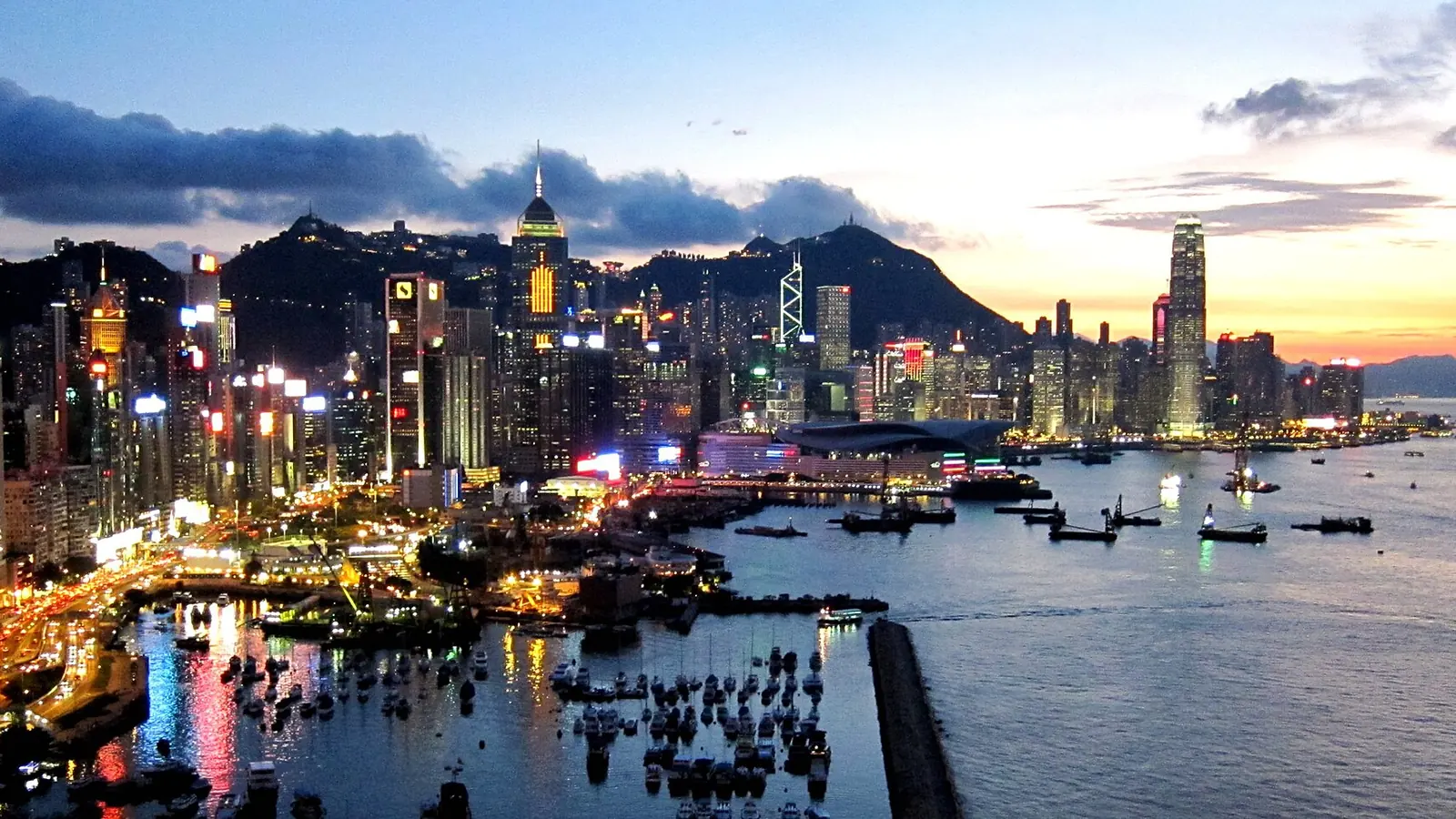
Hong Kong’s “Pearl of the Orient” image draws on east–west history, commercial energy, coastal scenery, shopping, hotels and an exceptionally broad food culture. A cheap-flight plan should leave time and money for those experiences by calculating the HKG transfer and the district used every day.
A useful cheap-flight comparison starts at Hong Kong International Airport (HKG), then follows the journey all the way to the chosen district. Airport Express can protect time; a direct airport bus may cost less and finish nearer the hotel. The right answer changes between Central, Tsim Sha Tsui, the New Territories and Lantau, and it can change again when a late arrival removes a connection.
- Airport
- Hong Kong International Airport (HKG) on Lantau Island
- Cost comparison
- Fare, baggage, connection protection and airport-to-door transport
- Base choices
- Hong Kong Island, Kowloon, New Territories or Lantau
- Old-page themes
- Harbour scenery, food, shopping, hotels, business and blended heritage
Price the arrival
Airport Express saves minutes; a well-chosen bus can save a change and a fare
Compare the train and bus against the exact accommodation address, not a generic ‘city centre’. Airport Express reaches major interchange stations quickly, but the last metro, taxi or walk still belongs in the total. Many airport buses cross directly into hotel districts and can be the more economical one-seat journey when traffic and operating hours suit the arrival.
For a late flight, check the live timetable before payment and record the fallback. A low fare that lands after the preferred public transport has stopped may create an airport taxi bill large enough to reverse the saving.
Choose the district
Do not pay Island prices when the itinerary belongs in Kowloon—or commute the other way every day
Hong Kong Island suits Central, Sheung Wan, Wan Chai and hillside access. Kowloon puts Tsim Sha Tsui’s harbour edge, markets and dense food streets on the doorstep, often with a different room-price pattern. Lantau can be logical for the airport, Disneyland or a quieter first night, but not automatically for a city-heavy visit.
Measure accommodation by the nearest useful MTR station, walking gradient and harbour crossing. A cheaper room far from the planned neighbourhoods consumes both time and stored-value transport credit on every day of the stay.
Spend where Hong Kong is strongest
Harbour walks, neighbourhood food and public transport make a better budget than a generic shopping spree
Cuisine and coastal scenery belong at the centre of a Hong Kong budget. Dim sum, roast meats, noodle shops, markets and international dining can be explored at many price levels. Promenades on both sides of Victoria Harbour, ferries and hill or island walks add strong low-cost days without assuming every famous viewpoint is free or weather-proof.
Shopping is not a single attraction. Street markets, independent districts and large malls have different hours and price logic. Build them into nearby sightseeing instead of crossing the harbour only to chase an advertised discount.
Reject fare folklore
Monday and Tuesday are not guaranteed bargain days, and summer is not automatically ideal
Quieter airlines early in the week and an automatically ideal summer are not dependable Hong Kong rules. Compare a date grid for the real route, then check humidity, heat, rain and tropical-cyclone disruption for the period being considered.
- Compare the final fare with bags and seat needs included.
- Prefer one protected itinerary when a missed connection would be expensive.
- Add the airport-to-hotel journey before choosing a district.
- Keep weather-sensitive harbour and viewpoint plans flexible.