
.jpeg)
London fare strategy
London’s cheapest airport is determined by the hotel door, not the arrivals board
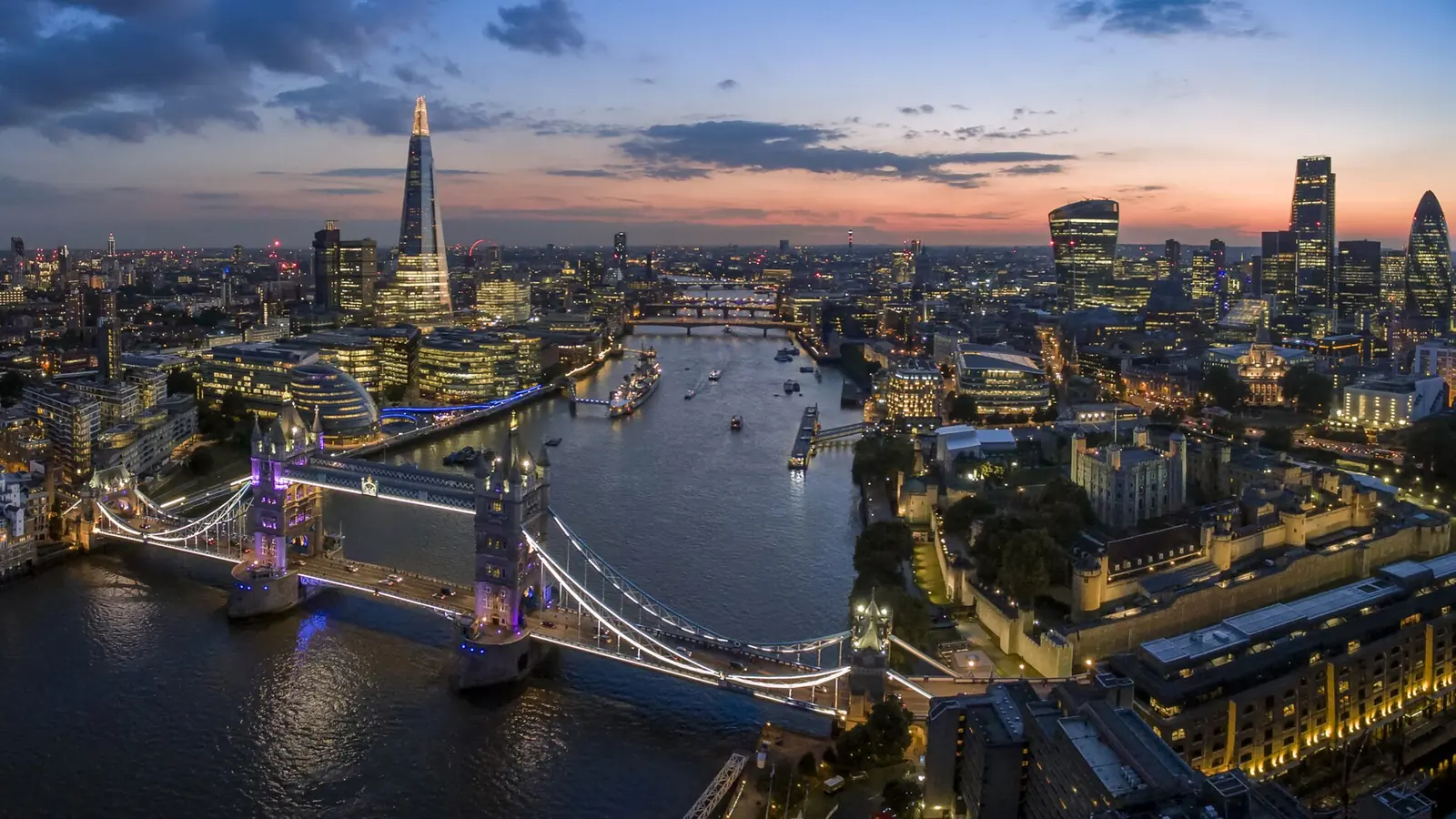
The old cheap-London page built its appeal around museums, galleries, churches, historic buildings, Buckingham Palace, Big Ben and the Tower of London. It also mentioned luxury hotels, haunted castles and seasonal crowds. Those search themes remain, but the invented booking engine, discounts and payment service have been removed, along with the accidental claim that London has mountains.
London is an airport system. Heathrow, Gatwick, Stansted, Luton and London City connect to different rail lines and different parts of the capital. The lowest airfare can be poor value when it lands far from the accommodation, arrives after a fast service stops or adds a large cabin-bag charge. Every comparison below therefore ends at a London postcode rather than at an airport code.
- Airport set
- LHR, LGW, STN, LTN and LCY
- Hidden fare lines
- Baggage, seat needs, airport rail, final interchange and late arrival
- Low-cost culture
- Many national museums, public spaces, markets and neighbourhood walks
- Old-page landmarks
- Buckingham Palace, Big Ben, Tower of London, churches, galleries and historic buildings
Calculate airport to door
Heathrow is not always expensive, and a distant low-cost airport is not always cheap
Heathrow has several public-transport speeds into west and central London. Gatwick’s rail routes can suit the south, Victoria or Thameslink corridor. Stansted and Luton usually require a longer dedicated rail or coach calculation; City can be unusually convenient for east London and the financial district. Match each option to the accommodation and arrival hour.
Check whether the quoted rail fare requires advance purchase, a specific train or contactless eligibility. Add the final Underground, bus or taxi leg. Public transport is often cheaper and faster, while a licensed taxi or transfer can become rational for a group, mobility need or very late journey.
Build a free-and-paid mix
Major museums can protect the budget; palaces and fortress tickets need deliberate space
London’s national collections make it possible to build substantial museum days without a general admission charge, while special exhibitions may cost extra. Buckingham Palace access is seasonal and limited to particular areas and dates. The Tower of London is a large paid visit, not an item to squeeze between Westminster and a gallery.
Elizabeth Tower houses Big Ben, the bell; the river and Westminster viewpoints can be enjoyed without buying every nearby attraction. Churches and cathedrals have different visitor, worship and ticket arrangements, so check the exact building instead of assuming one rule.
Choose a London rhythm
Historic sights, markets and evening neighbourhoods work better in geographic clusters
Group Westminster and St James’s; the City and Tower area; South Bank; a museum cluster; and one neighbourhood market on separate half-days. This reduces paid transport and turns a broad catalogue of history, galleries and glamour into a trip a human can actually enjoy.
Spring and autumn can offer different crowd and fare patterns, but there is no guaranteed cheap or empty season. School holidays, exhibitions, football, concerts and public events can move room prices on dates that look off-peak nationally.
Compare transatlantic options honestly
A connection through Ireland only saves money when it is protected or deliberately stopover-sized
Some North American travellers route through Ireland. Compare a through ticket, a genuine stopover and separate tickets as different products. Immigration, baggage collection, terminal movement and rebooking responsibility determine whether the saving is real.
- Compare all suitable airports against the hotel postcode.
- Add bags and airport rail before ranking fares.
- Use free collections to balance selected paid landmarks.
- Avoid a self-connection unless the recovery plan is affordable.