
.jpg)
Frankfurt fare and city guide
Frankfurt is both a destination and a transport hub—do not confuse the two
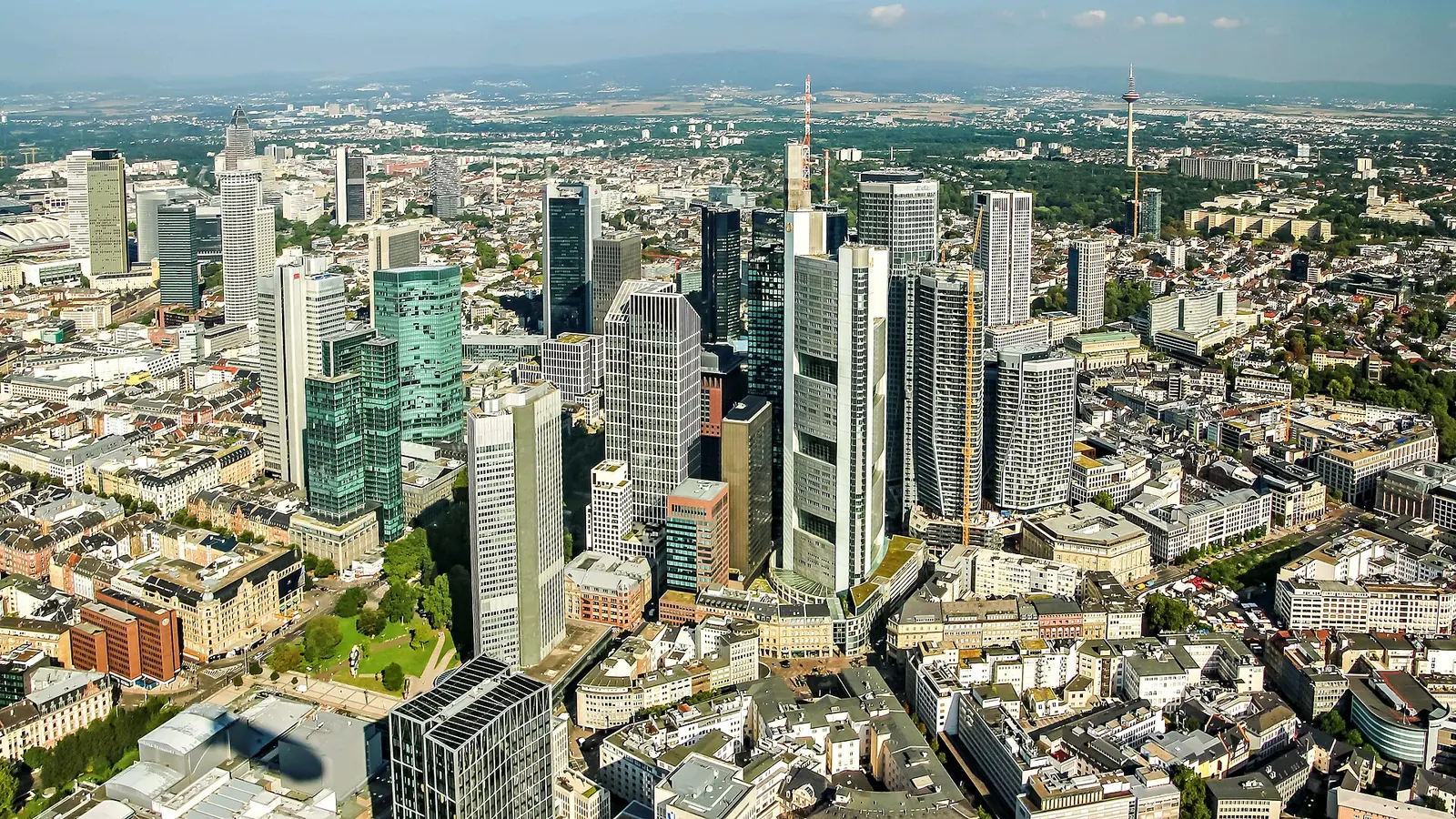
Frankfurt is both Germany’s finance-and-business centre on the River Main and one of Europe’s major air-and-rail hubs. Many travellers change planes or trains without allowing time for Goethe House, Main Tower, the Museumsufer, Palmengarten or the zoo. Deciding whether Frankfurt is a connection or a destination is the first useful planning step.
Begin by checking the airport code. Frankfurt Airport (FRA) is tied directly into the regional and long-distance rail network. Frankfurt-Hahn (HHN), despite the name used in flight searches, is far from central Frankfurt and requires a substantial road transfer. A low fare to the wrong airport can consume both the saving and the first day.
- Primary gateway
- Frankfurt Airport (FRA), with regional and long-distance rail stations
- Distant alternative
- Frankfurt-Hahn (HHN), reached by a much longer surface journey
- Original city anchors
- Goethe House, Main Tower, museums, Palmengarten and Frankfurt Zoo
- Price disruptor
- Major trade fairs can tighten central hotel supply
Airport first
FRA can continue the journey by train without sending you into the city
FRA has its own rail connections, so a traveller bound for another German or neighbouring city should compare a through air-and-rail plan with a separate flight onward. The right answer depends on ticket protection, baggage, the rail departure point and the cost of recovering from a delay. For central Frankfurt, suburban and regional services provide a direct link from the airport area.
Terminal information is operational and can change, so read the live flight record and airport guidance rather than assuming a simple two-terminal journey. If the fare shows HHN, calculate the full coach or road journey before comparing it with FRA.
Where to stay
Choose a district around the purpose of the trip, especially during a fair
For a short cultural visit, the Altstadt, Innenstadt and the river give easy access to Römerberg, the New Old Town and the museum embankment. Business travellers may care more about Messe access or a fast airport rail connection. A quieter outer district can offer value, but only after late-evening transport and the daily commuting time are counted.
Frankfurt has accommodation across central and outer districts rather than one universally peaceful hotel zone. Demand can shift sharply with the exhibition calendar, so check event dates before concluding that a sudden price rise is caused by the flight market.
Frankfurt beyond finance
Follow Goethe and the River Main rather than treating the skyline as the whole city
Goethe House gives the city a literary thread, while the nearby historic core connects Römerberg, the cathedral and St Paul’s Church. South of the river and along both banks, Museumsufer brings together institutions with very different collections; choosing one or two is more realistic than using ‘the museums’ as a single attraction.
Main Tower supplies a high view across Frankfurt, but access can be affected by weather, maintenance or events. Palmengarten offers a different kind of day, built around botanical collections rather than the commercial centre. Families can consider Frankfurt Zoo, again checking current hours directly.
Lower the total cost
Test the fare against rail, airport location and one night of accommodation
There is no reliable rule that every Frankfurt ticket becomes cheap two or three months before departure. Compare several nearby dates and identical fare conditions, then include the airport transfer and any hotel night created by the timetable. A convenient FRA arrival can beat a cheaper HHN ticket or an awkward connection.
- Confirm FRA or HHN before reading the headline price.
- Check whether a rail continuation can replace a domestic flight.
- Look for trade-fair or major-event dates before reserving accommodation.
- Keep baggage, change rules and connection protection equal across the shortlist.