

Amsterdam arrival guide
Schiphol is simple; choosing where Amsterdam begins is the more interesting decision
Amsterdam Airport Schiphol is the city’s principal gateway, but choosing a flight is only the start of the arrival. Rail, bus and taxi options serve different parts of Amsterdam, while the neighbourhood selected for the stay determines whether Centraal Station is the best interchange at all.
Schiphol (AMS) has a rail station beneath the terminal. Trains suit Amsterdam Centraal, Zuid and other rail-connected areas; the airport bus can be more direct for Museumplein and parts of the western centre. A taxi solves a different problem—door-to-door travel for luggage, mobility needs or a group—and should be taken from an authorised rank or designated pick-up point.
- Airport
- Amsterdam Airport Schiphol (AMS)
- Rail decision
- Amsterdam Centraal, Zuid or another station closest to the stay
- Bus corridor
- Museumplein, Rijksmuseum and Leidseplein area
- City anchors
- Canal Ring, Museum Quarter, Jordaan and neighbourhoods beyond the centre
Leave Schiphol intelligently
The fastest train to Centraal is not the best route to every hotel
Read the accommodation address before buying airport transport. Centraal is a powerful interchange for the old centre and northern ferries; Zuid is useful for the business district and metro connections; a direct bus can reduce changes near Museumplein or Leidseplein. Check live engineering work and the last service for a late landing.
Contactless payment and ticket rules can change, and airport travel is not automatically included in a visitor product. Use the official rail or door-to-door planner. On departure day, consult Schiphol’s crowd and airline guidance rather than relying on a fixed arrival-at-airport rule copied into an evergreen article.
Choose the Amsterdam
The Canal Ring is iconic; Jordaan, De Pijp, Noord and Oost make different bases
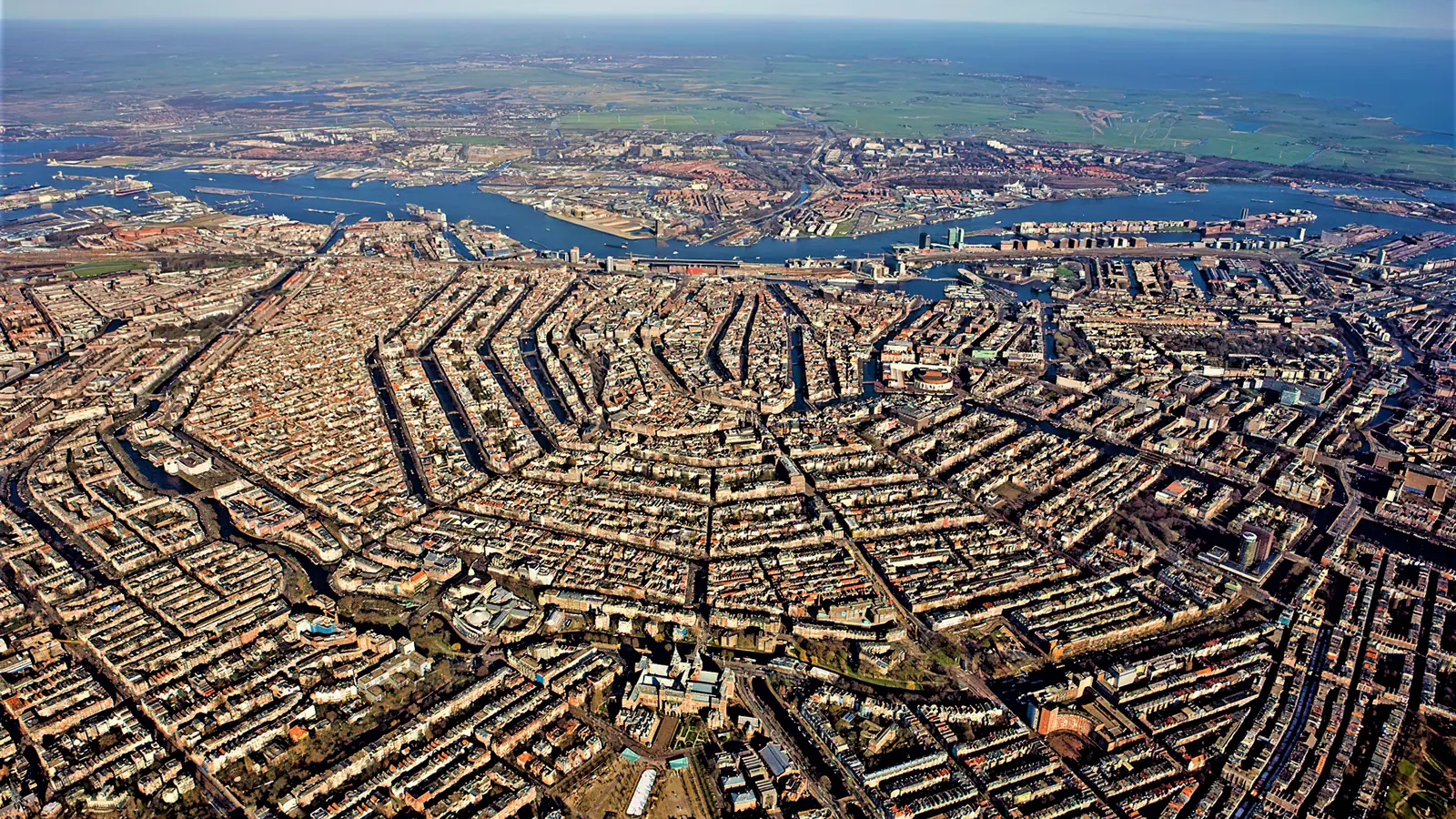
A first-time visitor may value the Canal Ring’s walkability and historic houses, while Jordaan and the Nine Streets add smaller shops and cafés. De Pijp puts the Albert Cuyp market and a denser local rhythm close by. Amsterdam Noord, reached by ferry and metro, offers contemporary waterfront spaces; Oost provides parks, architecture and easier breathing room.
A cheaper room outside the innermost centre can be excellent when a frequent tram, metro or train connects it to the trip’s priorities. Measure the last evening journey as well as the daytime one. Amsterdam’s compact map can hide canals, bridges and crowded walking routes.
Museums and canals
Timed museums should shape the day; the canal walk should connect it
The Rijksmuseum, Van Gogh Museum and other Museum Quarter institutions are substantial visits, often with timed admission. Choose one major collection and build the nearby day around it. The Anne Frank House has its own high-demand booking process and should never be treated as a spontaneous fallback.
A canal cruise gives an overview, but walking reveals changes between grand canals, working streets and residential edges. Cycling is central to local life, yet a busy first-day rental is not appropriate for every visitor. Learn the traffic rules and use a calm route before entering the densest cycle lanes.
Flight choice
Protect the first Amsterdam day from a fare that lands too late
Compare AMS itineraries by operating carrier, baggage, airport arrival hour and connection protection. A cheap self-transfer can fail if it requires immigration, baggage collection and another security queue. Purchase only through the clearly identified airline or provider responsible for the ticket.
- Match the Schiphol train or bus to the exact district.
- Reserve the highest-priority museum before compressing the flight schedule.
- Use authorised taxi and app pick-up points.
- Check live airport operations before both arrival and departure.