

Hong Kong arrival guide
Choose the district before the flight: the harbour is the centre, not one side of it
Hong Kong—long nicknamed the “Pearl of the Orient”—brings Chinese traditions, a British colonial past, modern commerce, coastal scenery, shopping and an exceptional food culture into a remarkably dense region. Geography still matters: Hong Kong Island, Kowloon, the New Territories and Lantau are well connected, yet create different airport transfers and different versions of the visit.
Hong Kong International Airport (HKG) sits on Lantau. Airport Express is the fastest rail approach to Kowloon and Hong Kong stations, while airport buses can be more direct for a hotel that is not beside either rail terminus. The cheapest-looking flight should therefore be tested against its landing hour and the exact district where the traveller will sleep.
- Airport
- Hong Kong International Airport (HKG) on Lantau Island
- Fast rail anchors
- Airport Express to Tsing Yi, Kowloon and Hong Kong stations
- City choice
- Hong Kong Island, Kowloon, New Territories or Lantau
- Legacy themes retained
- Harbour, coast, food, shopping, business and east–west history
Arrival choice
Airport Express is fast; an airport bus can finish closer to the door
Rail is attractive when accommodation is near Central, western Hong Kong Island or the parts of Kowloon served conveniently from Kowloon station. It is less automatic for every address. A direct airport bus may avoid a final taxi or MTR change, and a taxi can make sense for a group with luggage. Compare the whole route in the official journey planner rather than treating one mode as universally best.
For a late landing, confirm the last practical connection and the hotel’s check-in arrangements. For departure, allow for the return trip across the city and the airport’s size. In-town airline services and check-in arrangements change, so verify them with the airline instead of relying on an old travel article.
Pick a side
Kowloon gives the classic skyline view; Hong Kong Island puts business districts below the hills
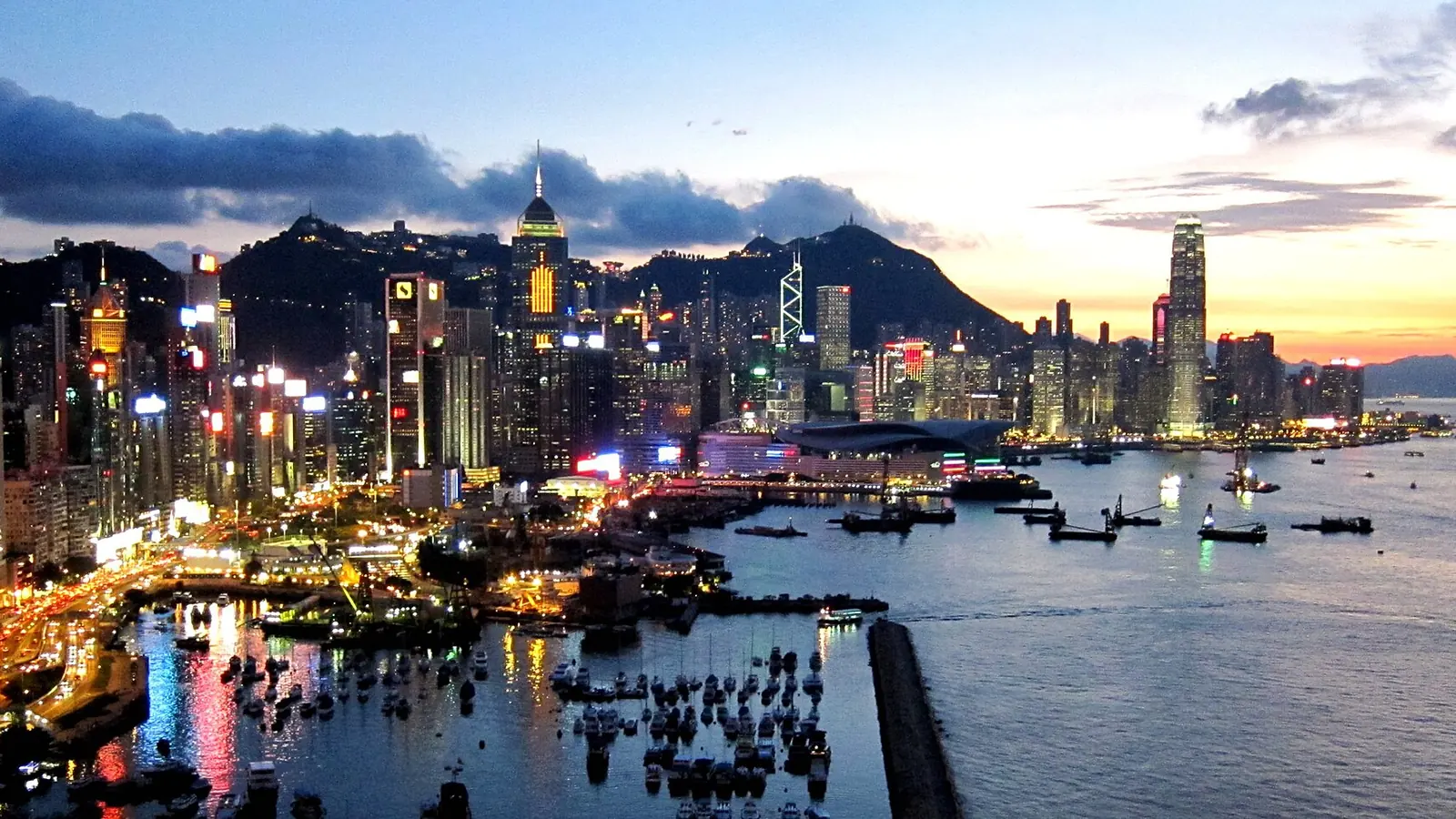
Tsim Sha Tsui and the Kowloon waterfront face the Hong Kong Island skyline and suit travellers who want museums, harbour promenades and dense transport links nearby. Central, Sheung Wan and Wan Chai place visitors among business, dining and historic urban layers on the island side. Neither is simply “more central”; the right base follows the places that matter to the itinerary.
The Star Ferry turns a harbour crossing into part of the visit, while the MTR is usually the efficient everyday link. Lantau needs its own time if the trip includes beaches, trails, villages or major attractions there. A room close to one activity can be inconvenient for the rest, so plot three fixed places before booking.
Food and culture
Replace a generic shopping list with neighbourhood-sized days
Cantonese food and an unusually broad international dining scene are central to Hong Kong. Leave space for small restaurants, markets and tea rather than sending every meal to the same malls. Pair one neighbourhood with one waterfront or hillside route and avoid crossing the harbour repeatedly without a reason.
Hong Kong’s layered history is visible in temples, former colonial civic buildings, compact streets and contemporary cultural districts. Opening hours and exhibition tickets vary. Choose the institution first, then build the nearby walk; this produces a more coherent day than collecting disconnected “top sights.”
Weather and fare
Summer is not an automatic recommendation for Hong Kong
Summer in Hong Kong can be hot, humid and affected by tropical storms; it is not an automatic ideal season. Autumn is often more comfortable, while regional holidays can lift demand at other times. Compare dates only after checking both the weather pattern and any fixed event.
- Price the transfer to the chosen district at the scheduled landing time.
- Compare baggage and change rules across the exact operating carriers.
- Protect outdoor or island days with an indoor alternative during unsettled weather.
- Check current entry, transit and document rules for the traveller’s nationality and route.