

Perpignan cross-border guide
Perpignan’s best flight may land outside Perpignan—but the transfer must be part of the ticket decision
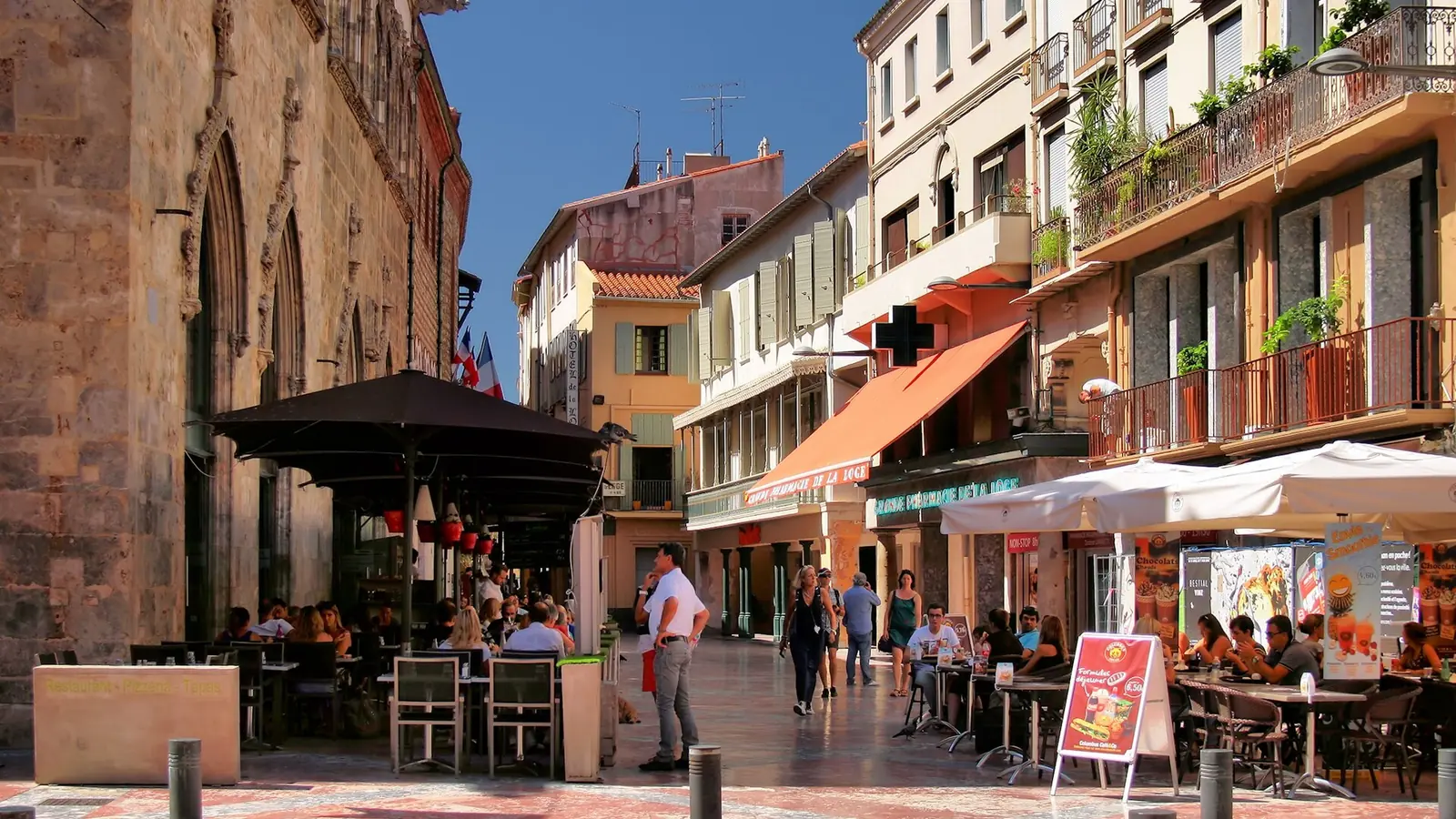
Perpignan is a French Catalan city whose identity appears in regional food, old churches and civic monuments, Place Arago, the Loge de Mer, markets, fabrics, jewellery and café life. Its small local airport can be convenient, but a useful comparison must also test larger gateways against the complete ground journey.
Perpignan–Rivesaltes Airport (PGF) is the closest air gateway, but its route choice can be limited or seasonal. Girona, Barcelona, Toulouse and Montpellier may appear as alternatives depending on origin. Each creates a different rail or road leg, so only a door-to-door comparison reveals the sensible option.
- Closest airport
- Perpignan–Rivesaltes (PGF)
- Wider search radius
- Girona, Barcelona, Toulouse or Montpellier when schedules justify the transfer
- Cultural identity
- French Catalan history, architecture, markets and food
- Old-page anchors
- Place Arago, Loge de Mer, old streets, fabrics, jewellery and cafés
Build the airport shortlist
PGF wins on proximity; larger gateways compete on frequency
A direct or well-timed PGF service can simplify the entire trip. When it is unavailable, compare Girona or Barcelona for a south-facing itinerary and Toulouse or Montpellier for a French rail or road approach. Border crossings are straightforward for many travellers but rental terms, tolls and one-way drop fees still differ.
Do not pair a late flight with an unverified final train. Record the landing time, baggage collection, transfer to the station and the last practical service. A hotel near the arrival gateway may be cheaper than a taxi forced by an impossible connection.
Catalan Perpignan
Use Le Castillet and the old centre to understand the border-city identity
The source’s ‘old city lanes’ become more meaningful around Le Castillet, the cathedral quarter and the Palace of the Kings of Majorca. These sites represent different layers of Perpignan’s relationship with the former Kingdom of Majorca and Catalan culture. Opening access varies, so choose interiors from current information and let the streets connect them.
Place Arago is a useful central orientation point, and Loge de Mer preserves Perpignan’s commercial and civic history. Together they make a compact walking route; there is no reason to insert a generic forest walk into the city centre.
Food and markets
The useful fusion is Catalan within France, not a vague mixture of two cuisines
Menus in and around Perpignan reflect Catalan traditions, Mediterranean produce and French regional context. Rather than promising one unique herbal tea or coffee found nowhere else, look for seasonal dishes, markets and independent producers. The most memorable meal may be simple and tied to the day’s route.
Fabrics and jewellery point toward Perpignan’s shops and market culture. Browse with attention to provenance: a local design, regional food product or artisan work is more meaningful than filling luggage for its own sake.
City, coast or mountains
Perpignan is a base only after the outward journey is chosen
Mediterranean beaches, vineyards, Collioure and the Pyrenean foothills pull in different directions. Rail helps with some coastal journeys; a car opens rural routes but adds parking. Decide whether Perpignan is the main stay or the transport hinge, then choose the airport around that answer.
- Compare PGF with no more than two genuinely workable alternative airports.
- Price cross-border rail, bus or car hire before ranking the fare.
- Keep the old-centre day compact around Place Arago and the named monuments.
- Check seasonal route and attraction calendars rather than relying on advance-booking folklore.